
Furnished vs Unfurnished Rental: Which Is Better?
If you’re considering an investment property, you may be wondering whether a furnished vs unfurnished rental is the better option.
Both can work well, but the right choice depends on your investment goals, target tenants, rental income and how much time you want to spend managing the property.
Before deciding, consider these five factors.

1. Furnished vs Unfurnished Rental: Consider Your Target Tenants
The type of tenant you want to attract can help determine whether a furnished or unfurnished rental is the better fit.
Unfurnished rentals typically appeal to tenants who plan to stay for a longer period. They may already own furniture and want a place they can make their own. Families, professionals and long-term renters often prefer this option.
Furnished rentals can appeal to people who need a home for a shorter period. This could include professionals relocating for work, students, people between homes, or tenants new to the area.
The right option depends on your local rental market and the type of tenant you want to attract.
2. Compare Rental Income and Costs
A furnished rental can potentially generate more rental income because the tenant is paying for the convenience of having furniture and household essentials included.
However, higher rent doesn’t automatically mean higher returns.
As the landlord, you’re responsible for purchasing and maintaining the furniture and other items included with the rental. Furniture can become damaged or worn over time and will eventually need to be repaired or replaced.
With an unfurnished rental, your upfront costs are generally lower. You don’t need to provide beds, sofas, dining furniture or other household items. This can also make the property simpler to manage.
When comparing the two options, look at your total costs and expected rental income, rather than focusing only on the monthly rent.
3. Understand Deposits and Your Responsibilities
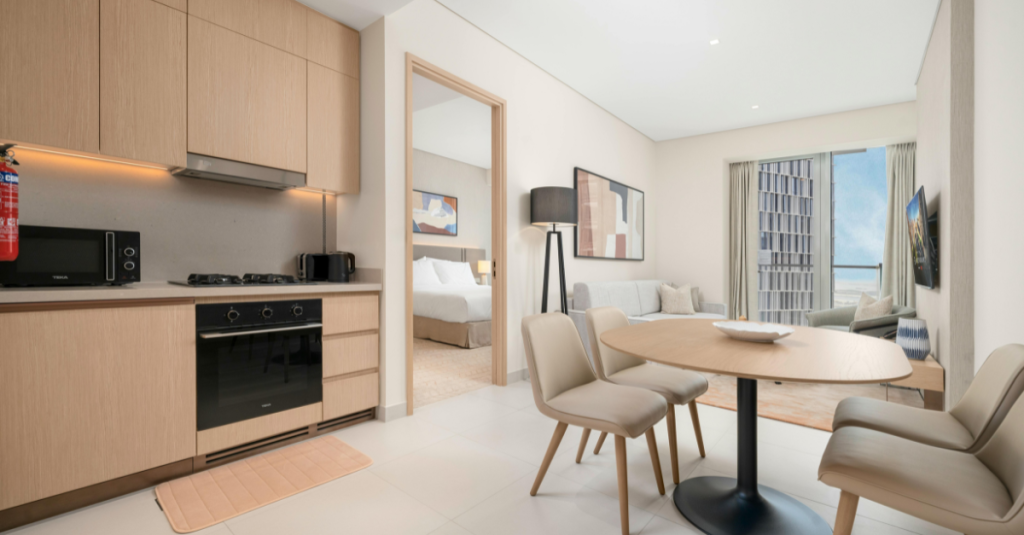
Furnished rentals come with additional considerations because the property includes the landlord’s furniture and belongings.
Before renting the property, make sure you understand the rules around deposits, damage, repairs and normal wear and tear. You should also create a clear inventory of the furniture and other items included with the rental.
For an unfurnished property, there are typically fewer belongings to maintain or replace.
The exact rules around deposits, tenancy agreements and landlord responsibilities depend on where the property is located. In British Columbia, landlords and tenants should understand the applicable provincial tenancy rules before entering into an agreement.
4. Check the Rules for Your Property
Before choosing a furnished or unfurnished rental, check the rules that apply to your property.
This is especially important if you’re considering shorter-term rentals, shared accommodation, or renting to multiple occupants.
Your municipality, strata, insurance provider and applicable tenancy rules may all affect how you can use the property.
If you own a condo in New Westminster, Burnaby or another Metro Vancouver community, review the strata bylaws before making assumptions about what type of rental is permitted.
Doing this research before purchasing an investment property can help you avoid expensive surprises later.
5. Consider Your Tenant’s Lifestyle
One of the biggest differences between furnished and unfurnished rentals is flexibility.
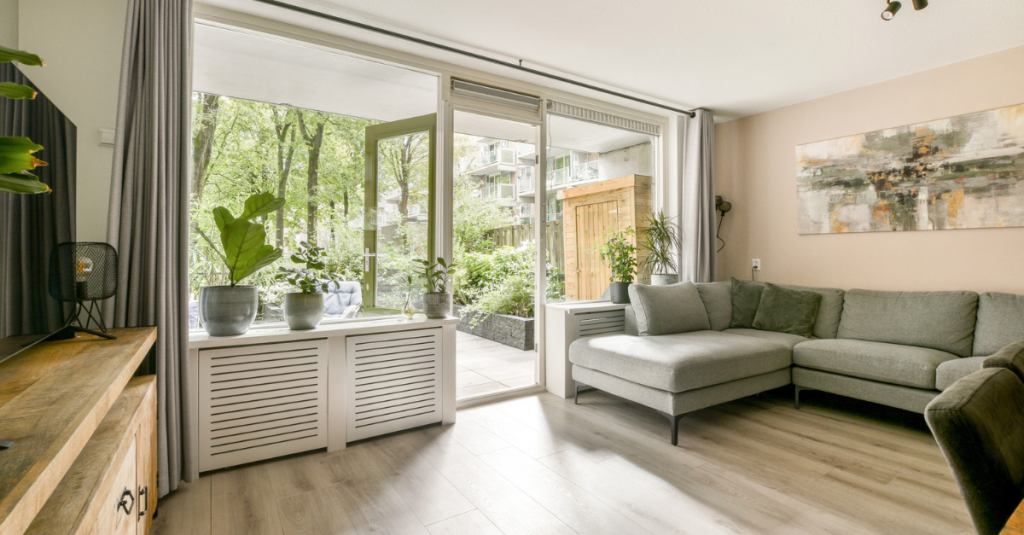
An unfurnished rental gives tenants the freedom to choose their own furniture and create a home that suits their lifestyle. This can be particularly important for people who expect to stay for several years.
A furnished rental offers convenience. Tenants can move in without purchasing or transporting large pieces of furniture. For someone who only plans to stay for a limited time, that convenience can be a major advantage.
Think about who is most likely to rent your property and what they will value.
Final Thoughts
There isn’t one answer that works for every investment property.
A furnished rental may make sense if you want to target tenants who value convenience and flexibility and you’re comfortable managing furniture and additional maintenance.
An unfurnished rental may be a better fit if you want a simpler rental setup and are targeting tenants who plan to stay longer.
When comparing a furnished vs unfurnished rental, look beyond the monthly rent. Consider your maintenance costs, vacancy risk, tenant demand and the amount of time you’ll spend managing the property.
If you’re considering buying an investment property in New Westminster, Burnaby or the Lower Mainland, we can help you look at the bigger picture. The right rental strategy starts with understanding the property, the neighbourhood and the numbers.
Thinking about an investment property?
Explore homes in the best neighbourhoods and plan your next step with local guidance.
Download the Free Seller’s Guide
Or contact the Adam Lloyd Team for a free consultation.